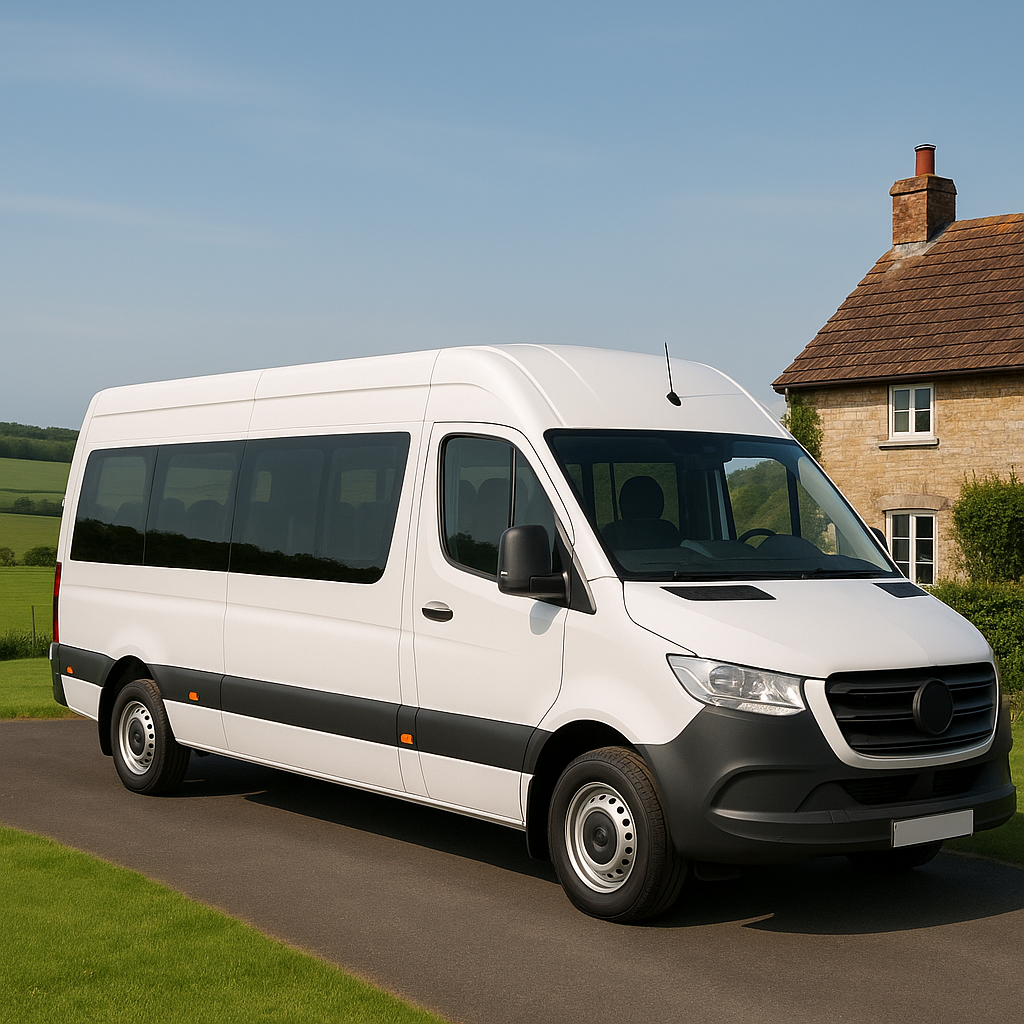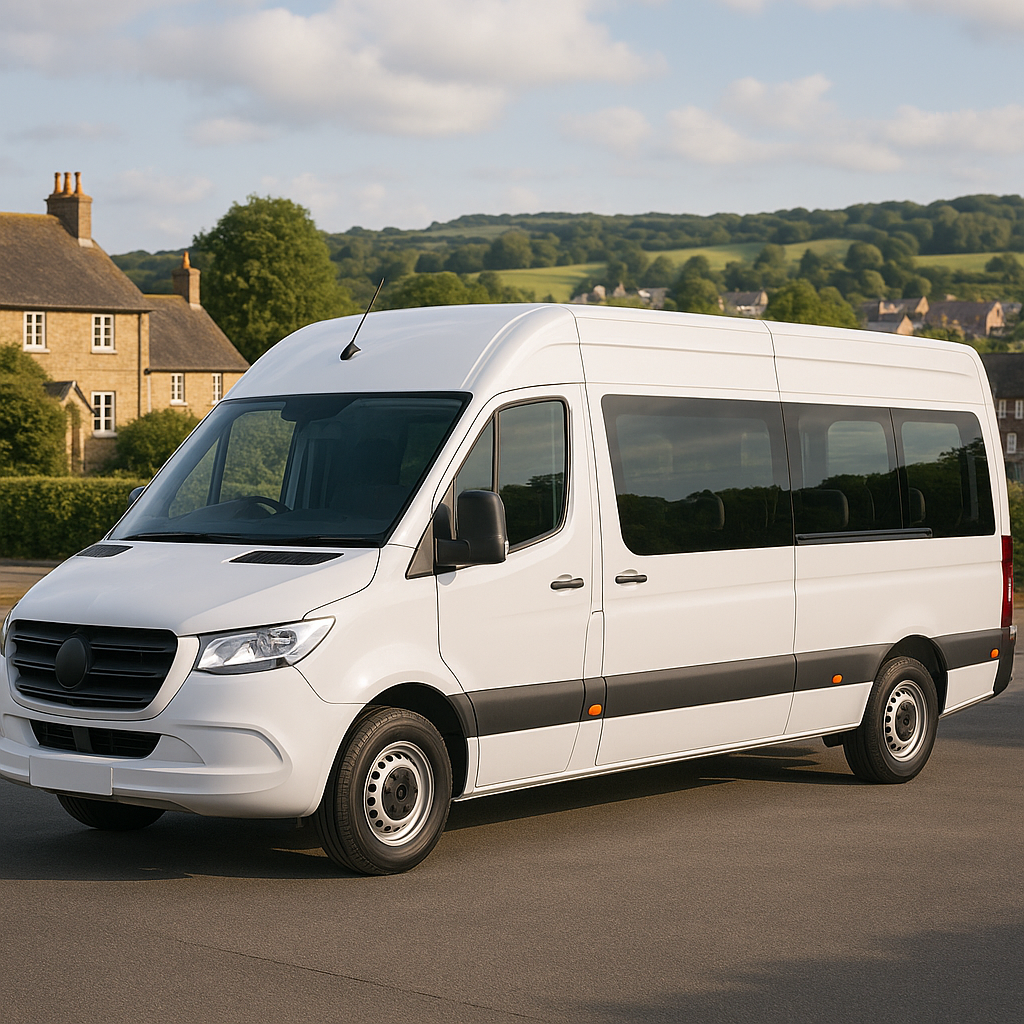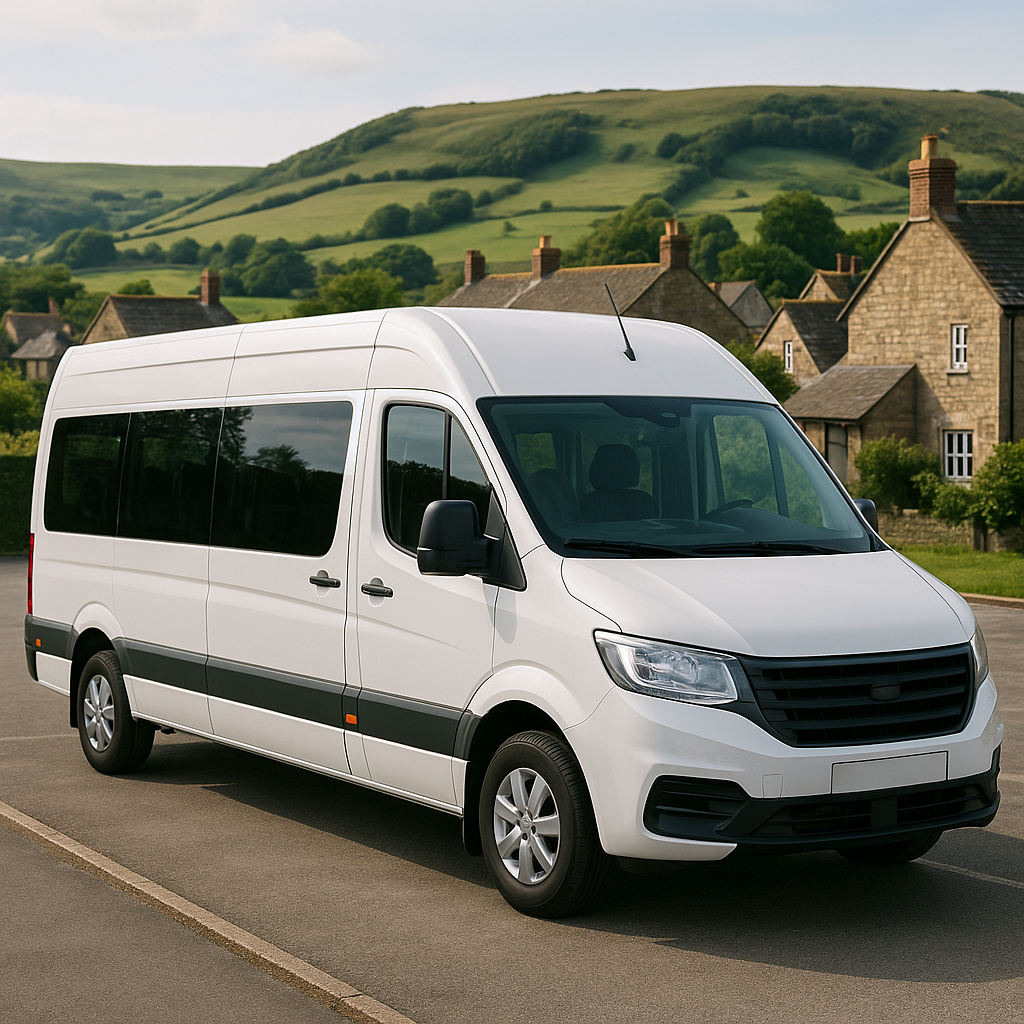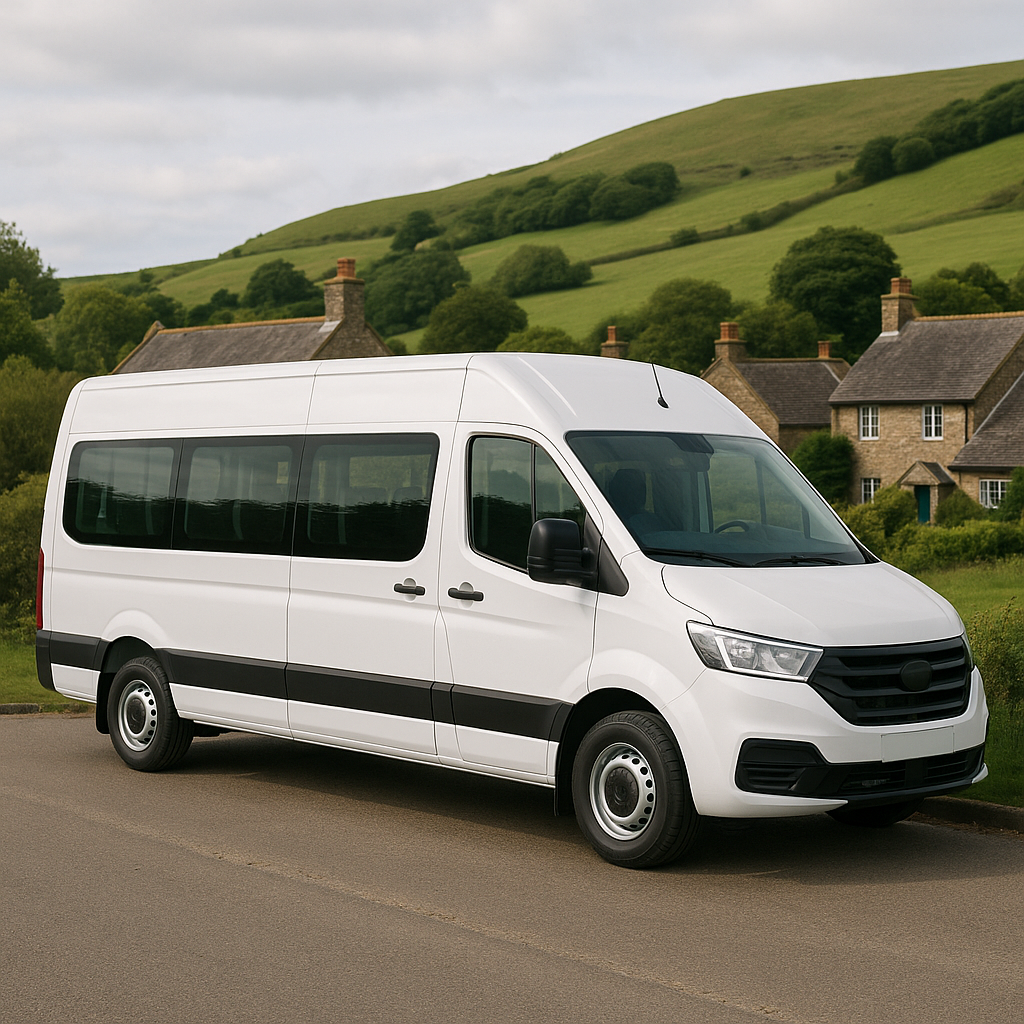
As more businesses and organisations seek to reduce their carbon footprints, the choice of transportation for group travel has significant implications for the environment. When considering options for transporting teams or groups, the environmental impact of minibus hire versus individual car use becomes a crucial factor. In this blog post, we will explore the benefits of hiring a minibus in terms of emissions, fuel efficiency, and overall environmental responsibility.
The Case for Minibus Hire
Minibuses offer a practical solution for group travel, particularly for businesses looking to transport employees, clients, or event attendees. By consolidating travel into a single vehicle, the environmental impact is markedly reduced compared to multiple cars making the same journey.
Emissions Comparison: Minibus vs. Cars
To understand the environmental impact of minibus hire, it’s helpful to compare the emissions of a minibus against those of a standard car. According to the UK Government’s Department for Business, Energy & Industrial Strategy, the average CO2 emissions for a petrol car is approximately 122 grams per kilometre. In contrast, a typical minibus emits around 200 grams of CO2 per kilometre when fully loaded with passengers.
However, when considering the number of passengers:
- Average Car Capacity: 4 passengers
- Average Minibus Capacity: 16 passengers
When fully loaded, a minibus can transport four times as many people as a standard car. This means that the per passenger emissions of a minibus can be significantly lower than that of several cars travelling the same distance. For example, if a group of 16 people travels 100 miles:
- Using Cars: 4 cars x 100 miles x 122 g/km = 48,800 grams of CO2
- Using a Minibus: 100 miles x 200 g/km = 20,000 grams of CO2
When divided by the number of passengers, the minibus emits only 1,250 grams per person, while the cars emit 12,200 grams per person, illustrating a substantial environmental advantage for the minibus.
Fuel Efficiency: A Critical Factor
Fuel efficiency is another essential aspect of the environmental impact of group travel. Minibuses are designed to accommodate larger groups while maintaining reasonable fuel consumption rates, especially compared to the inefficiencies of multiple cars.
- Average Fuel Consumption of a Minibus: Approximately 30 miles per gallon (mpg) when fully loaded.
- Average Fuel Consumption of a Car: Approximately 45 mpg for a petrol car.
While a car appears more fuel-efficient, the reality is that the total consumption across multiple vehicles can far exceed that of a single minibus. This is particularly relevant for longer journeys where the cumulative effect of several cars leads to increased fuel use and emissions.
Benefits of Minibus Hire for Businesses
Beyond the environmental impact, there are numerous advantages for companies choosing to hire a minibus for group travel:
Cost-Effective Travel
When considering the cost of fuel, parking, and potential congestion charges, hiring a minibus can be more economical for transporting groups. By calculating the total cost per person, businesses can often find that a minibus offers a more budget-friendly option.
Convenience and Comfort
Minibuses provide a comfortable travel experience, with ample space for passengers and luggage. This can be particularly beneficial for corporate events or trips where comfort and convenience are paramount.
Enhanced Team Bonding
Traveling together in a single vehicle promotes team cohesion and communication. This can enhance relationships among employees, leading to a more productive work environment.
How to Choose the Right Minibus Hire Service
When considering minibus hire, it’s important to select a service that meets your needs effectively. Here are some key considerations:
1. Evaluate the Size of Your Group
Determine how many passengers will be travelling to ensure you hire a minibus that comfortably accommodates everyone.
2. Check the Vehicle’s Environmental Credentials
Inquire about the emissions and fuel efficiency of the minibuses offered by the hire service. Look for vehicles that meet or exceed current environmental standards.
3. Assess Safety Features
Ensure the minibus is equipped with the necessary safety features, including seatbelts, anti-lock brakes, and, if possible, advanced driver assistance systems.
4. Consider the Driver’s Qualifications
If you’re hiring a driver, check their qualifications and experience. A professional driver can navigate efficiently and safely, further reducing the environmental impact by choosing optimal routes.
5. Review Customer Feedback
Look for testimonials or reviews from previous customers to gauge the reliability and service quality of the minibus hire company.
Common Mistakes to Avoid When Hiring a Minibus
When planning group travel, avoid these common pitfalls:
- Underestimating Group Size: Always account for the total number of passengers, including any additional luggage or equipment.
- Neglecting Environmental Considerations: Ensure that your chosen hire service prioritises environmentally friendly practices.
- Ignoring Company Policies: If your organisation has specific travel policies, ensure the minibus hire aligns with them.
- Overlooking Additional Costs: Be aware of any extra fees for fuel, mileage, or additional stops.
Conclusion
The decision between hiring a minibus and using individual cars for group travel has far-reaching environmental implications. By opting for minibus hire, businesses can significantly reduce their carbon footprint while enjoying the practical benefits of cost-effective, convenient, and comfortable travel. For those in Dorset seeking a reliable minibus hire service, consider Riverside Travel as your community-focused transport solution that prioritises both your needs and the environment. To learn more about our services, visit our minibus hire page today.
By making informed choices regarding transportation, businesses not only contribute positively to the environment but also set an example for their employees and clients, fostering a culture of sustainability.